
Islamabad to go cashless: what changes on 30 November and 31 December
Government offices in the capital stop taking cash after 30 November, and all merchants are meant to accept digital payments by year-end. Here is what it means for you.
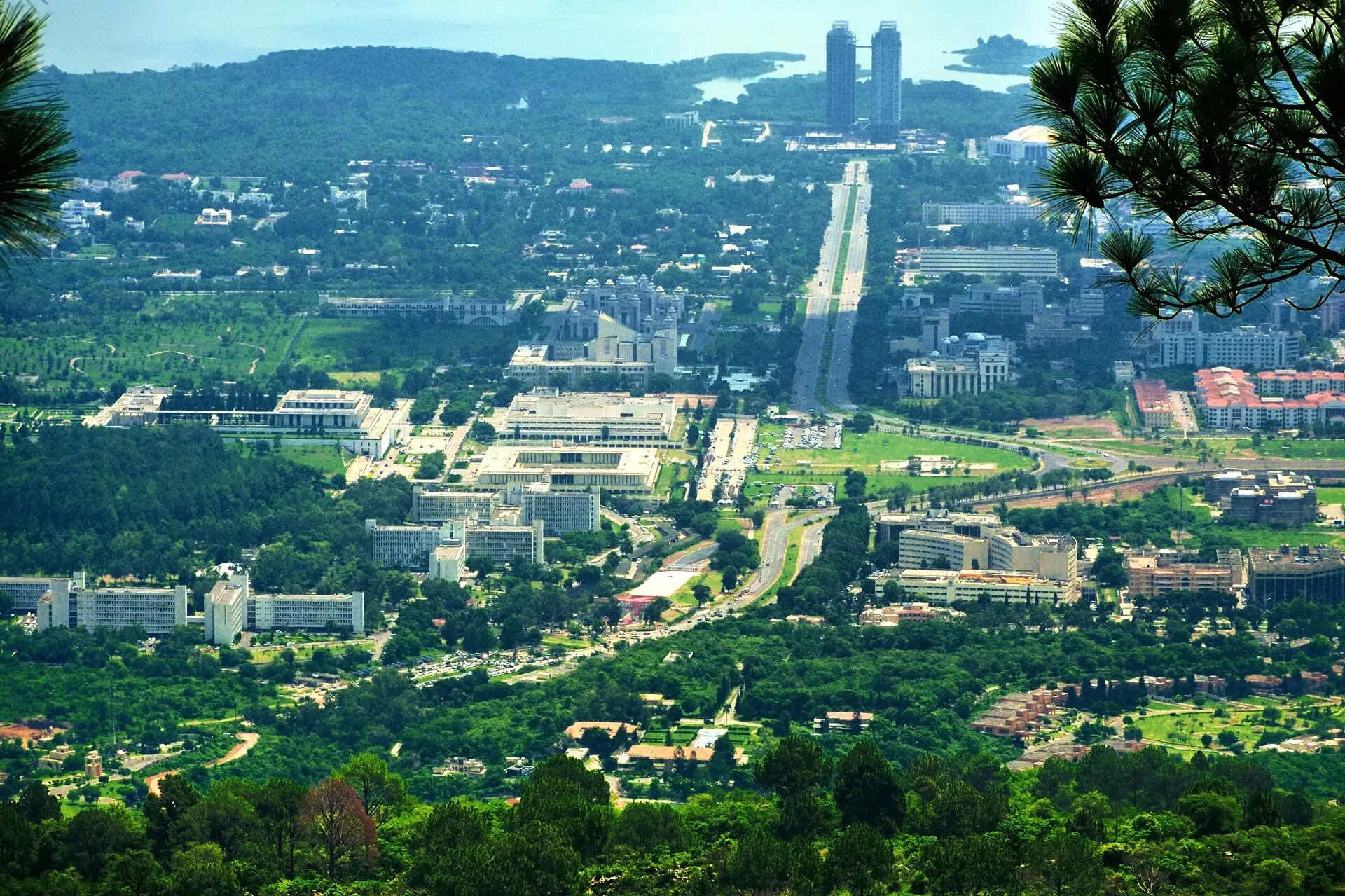 Photo: Zacharie Grossen, CC BY-SA 4.0
Islamabad is set to become Pakistan’s first fully cashless city. The plan was agreed at a meeting chaired by Minister of State for Interior Tallal Chaudhry, with CDA Chairman Sohail Ashraf and representatives of the banking sector, Dawn reported.
The two dates to know
| Date | What changes |
|---|---|
| After 30 November 2026 | No cash accepted at any department of the ICT Administration or the CDA |
| By 31 December 2026 | All merchants in the capital to be brought onto digital payments |
What it means for residents
- Paying the CDA or ICT administration: from December, pay fees and charges by card, bank transfer or QR code. Cash counters will stop accepting notes.
- Shopping: shops, from pushcart vendors to malls, are to display QR codes, including Raast QR, which works with almost every Pakistani bank and wallet app.
- Already cashless: weekly bazaars, the CDA’s One-Window Facilitation Centre, and the metro and electric bus services already take digital payments.
- Coming next: QR payments are being extended to malls, markets, hotels, guest houses, petrol pumps and restaurants. Digital parking and M-Tag are also being rolled out.
According to officials, 26,000 merchants in Islamabad are already connected. Banks have been asked to run awareness campaigns and offer discounts to encourage digital payments.
What is still unclear
The announcement does not say what happens to businesses that keep taking only cash after 31 December, or how residents without a bank account or smartphone will be served. We will update this article when the ICT administration publishes the detailed rules.
Tip: if you don’t have one yet, most banking apps and mobile wallets (such as JazzCash and Easypaisa) can scan a Raast QR code. Set it up before you need it.