
Lok Mela 2026: dates, timings and what to expect at Islamabad's folk festival
Event listings put this year's festival at Lok Virsa from 27 November to 6 December. Here is how to plan your visit.
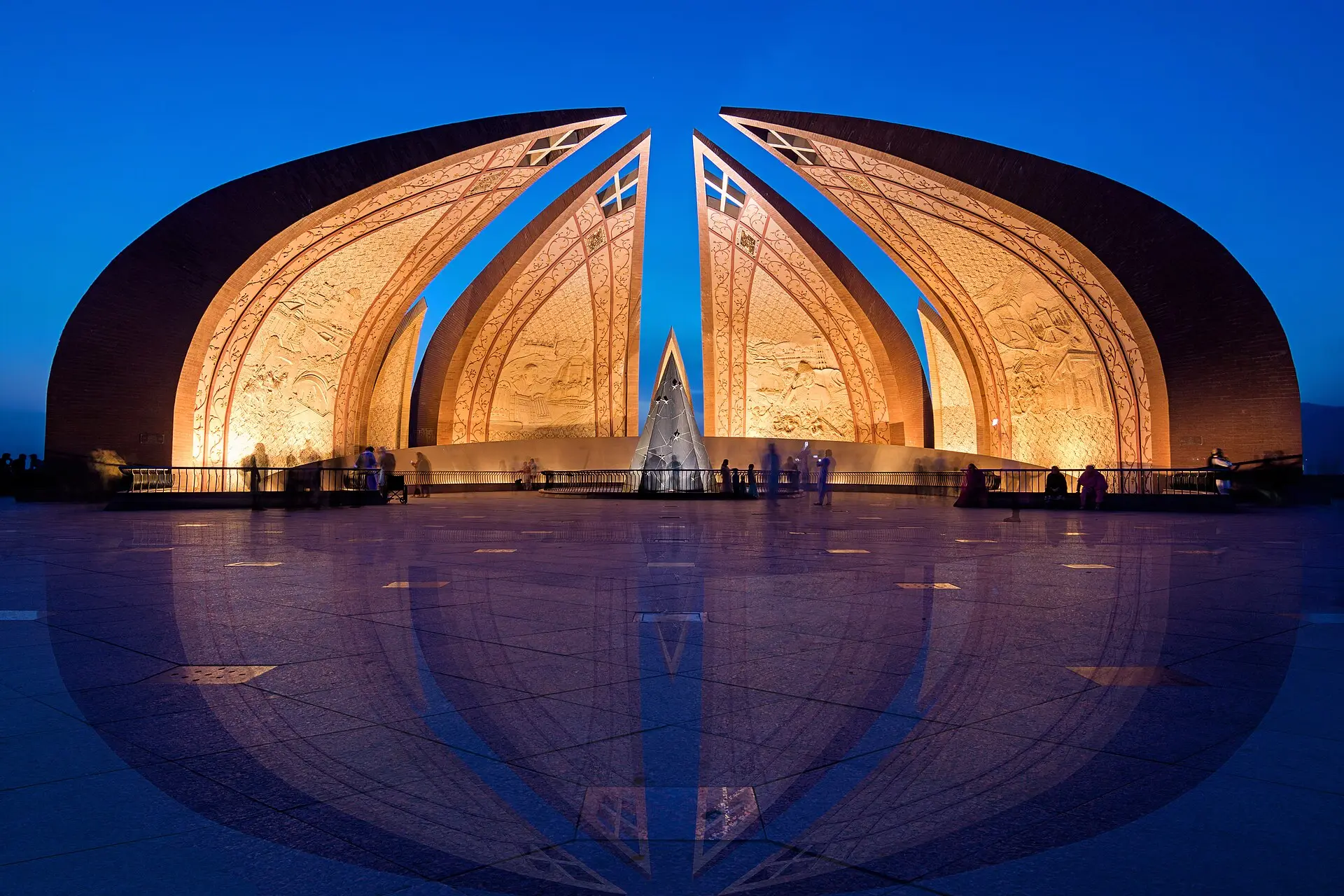 Photo: Muhammad Ashar, CC BY-SA 4.0
Lok Mela, the national folk festival held every year by Lok Virsa (the National Institute of Folk and Traditional Heritage), is one of the biggest family outings on Islamabad’s calendar. It brings artisans, musicians and dancers from every province to the Lok Virsa complex in Shakarparian.
Dates to be confirmed. Public event listings give Friday 27 November to Sunday 6 December 2026, open roughly 10am to 10pm. Lok Virsa had not published an official schedule when we checked. Confirm on Lok Virsa’s official channels before you go, and we will update this page when it does.
What you will find
- Provincial pavilions for Punjab, Sindh, Khyber Pakhtunkhwa, Balochistan, Gilgit-Baltistan and Azad Jammu & Kashmir, each showing its own crafts, dress and food.
- Artisans at work: potters, weavers, embroiderers, woodcarvers, truck artists and more, many of them selling directly.
- Folk music and dance, usually building up to the main performances in the evening.
- Regional food stalls, from Peshawari chapli kebab to Sindhi and Balochi dishes.
What is Lok Virsa?
Lok Virsa, founded in 1974, is Pakistan’s national institute for preserving folk and traditional culture. It runs the Heritage Museum in Shakarparian, records folk music and oral traditions, and supports craftspeople from across the country. Lok Mela is its biggest public event: a once-a-year chance for artisans from remote villages to show and sell their work directly in the capital. Read our full Lok Virsa Museum guide.
What to buy
Lok Mela is one of the best places in Pakistan to buy crafts straight from the people who make them. Look out for:
- Sindh: ajrak block-printed shawls, rilli quilts, mirror-work embroidery and blue Hala pottery.
- Punjab: phulkari embroidery, khussa shoes, lacquered wood and Multani blue pottery.
- Khyber Pakhtunkhwa: Peshawari chappals, carved wood and copperware.
- Balochistan: Balochi embroidery and handwoven rugs.
- Gilgit-Baltistan and AJK: woollen shawls, caps and dried fruit.
Shopping tips: compare a few stalls before you buy, bargain politely (it is expected), and ask the artisan about their work. Many will happily tell you how long a piece took to make.
Going with children
- Afternoons are calmer for small children than the crowded evenings.
- Agree a meeting point in case you get separated. The pavilions can be confusing at night.
- Folk performances and craft demonstrations, like pottery wheels and weaving looms, are usually a hit with kids.
Tips for visiting
- Go on a weekday afternoon if you want to browse the crafts without the weekend crowds.
- Stay for the evening if music is the main draw; performances tend to peak after dark.
- Bring cash and a payment app. Islamabad is moving to digital payments (see our cashless explainer), but some small artisans may still prefer cash.
- Parking fills up at weekends; consider a ride-hailing app.
- While you are there, the Lok Virsa Museum and the Pakistan Monument are both in Shakarparian.
Getting there
Lok Virsa is on Garden Avenue in Shakarparian, a short drive from Zero Point and the Islamabad Expressway. See it on the Discover Islamabad map or read our Lok Virsa Museum guide.