Where to eat in Islamabad: the best food areas, sector by sector
Jinnah Super for late nights, Kohsar Market for cafés, the Blue Area for lunch, Saidpur for views. Here is where to eat, and what to order.
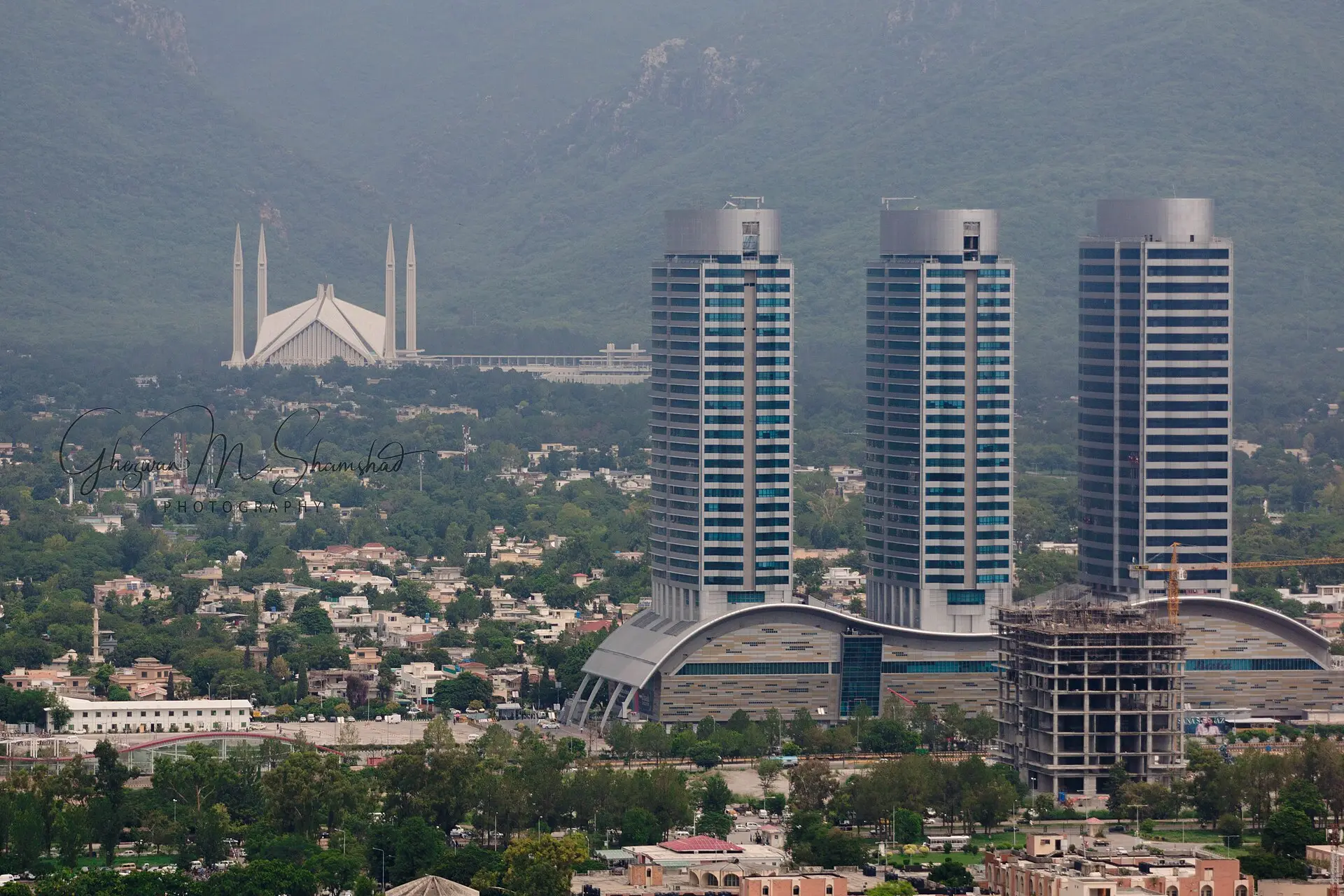 Photo: Ghezwan274, CC BY-SA 4.0
In Islamabad, food is organised the same way as everything else: by sector. Each sector has a markaz (commercial centre), and a few of them have grown into proper dining districts. Here is where to go, depending on your mood.
Every restaurant mentioned has its own page on Discover Islamabad with its address, map and directions. Browse them all in the restaurant directory.
F-7: Jinnah Super Market, for everything and late nights
The F-7 Markaz, known as Jinnah Super, is the city’s busiest food street. It has a bit of everything and stays open late.
- Kabul Restaurant: Afghan classics such as Kabuli pulao, chapli kebab and mantu
- Jessie’s: burgers, steaks and shakes, very late
- Bait Al Arab Mandi: Arabian mandi platters for sharing
- Pappasallis: one of F-7’s oldest pizza places
- Burning Brownie: cakes and coffee
F-6: Kohsar Market, for cafés and date nights
Kohsar Market, in the north-east corner of F-6/3, is small, leafy and upmarket, and it is known for its cafés and European restaurants.
- Tuscany Courtyard: Italian, with a courtyard
- Street 1 Café: all-day brunch, almost always full
- Mocca Coffee: a long-standing coffee stop
- Table Talk: for long conversations
The F-6 Supermarket, a few minutes away, is older and busier, with bookshops, bakeries and street food. All restaurants in F-6
Blue Area: for lunch, and for value
Along Jinnah Avenue, the office district has some of the city’s best-value lunches.
- Savour Foods: the pulao kebab
- Haleem Ghar: haleem and biryani
- Khoka Khola: chaat and desi favourites
- Bar.B.Q. Tonight: big family BBQ
- Asian Wok: pan-Asian with a live wok
All restaurants in the Blue Area
Saidpur Village: for the setting
At the foot of the Margallas, the restored Saidpur Village pairs old stone houses with terrace dining. Des Pardes is the best-known restaurant there. Go in the evening and combine it with a walk around the village.
Other food hubs worth knowing
- G-9 (Karachi Company): cheap, cheerful street food
- I-8 Markaz: a busy family dining strip in the south-east
- F-10 and F-11 Markaz: newer cafés, bakeries and dessert spots in the western sectors
- E-11: a growing cluster of restaurants off Margalla Road
We are adding restaurants in these areas. If you own one, you can list it for free.
Eating by time of day
Breakfast. Islamabad’s traditional breakfast is halwa puri (fried bread with semolina halwa and chickpeas) or nihari (slow-cooked beef or mutton stew), eaten early at weekends. Every markaz has a halwa puri stall that opens around dawn. For a café-style breakfast, Kohsar Market’s Street 1 Café is the classic choice, and it is close to the Trail 3 trailhead for a post-hike meal.
Lunch. The Blue Area is built for weekday lunches: fast, filling and good value. Savour Foods and Haleem Ghar are institutions.
Dinner. Families tend to eat late, often from 8pm onwards, and weekends are busiest. Big BBQ and karahi places fill up on Friday and Saturday nights, so go early or book for large groups.
Late night. F-7’s Jinnah Super stays lively well after other areas close. Jessie’s is a late-night burger favourite.
Eating on a budget
You can eat very well in Islamabad without spending much:
- Pulao kebab, haleem and chaat are among the cheapest filling meals in the city.
- Markaz dhabas and roadside BBQ stalls serve fresh tikka, seekh kebab and parathas at a fraction of restaurant prices.
- Weekly bazaars have fresh fruit for snacks and picnics.
- Lunch deals in the Blue Area are often cheaper than the same food at dinner.
Practical tips
- Booking: most casual places don’t take reservations. Book upmarket restaurants at weekends, especially in Kohsar Market.
- Paying: cards and payment apps are widely accepted in established restaurants. Islamabad is pushing businesses towards digital payments (see our cashless explainer), but carry some cash for small stalls.
- Tipping: check whether a service charge has already been added. If not, around 10% is usual in sit-down restaurants.
- Spice: desi dishes can be very hot. Ask for “less mirch” (chilli) if you prefer milder food.
- Ramadan: during the month of fasting, many restaurants close during the day and open for iftar (the evening meal) and sehri (the pre-dawn meal). Iftar buffets are a big tradition and sell out fast.
- Water: drink bottled or filtered water.
A few dishes to try
- Pulao kebab: rice with shami kebab and raita, a Rawalpindi–Islamabad staple
- Chapli kebab: flat, spiced minced-meat patties from Khyber Pakhtunkhwa
- Karahi: chicken or mutton cooked in a wok-like pan with tomatoes and green chillies
- Haleem: slow-cooked wheat, lentils and meat
- Chai: everywhere, all day
- Nihari: a rich, slow-cooked stew, best for breakfast with fresh naan
- Seekh kebab and tikka: charcoal-grilled, the backbone of every BBQ night
- Kabuli pulao: Afghan rice with carrots and raisins, a speciality of Kabul Restaurant
- Kheer and gulab jamun: classic desserts to finish
Combine food with sightseeing
- Saidpur Village works well after a visit to Daman-e-Koh. Read our Saidpur Village guide.
- Kohsar Market is the natural stop after hiking Trail 3.
- The Blue Area is close to Constitution Avenue and Shakarparian.
- F-7 and F-6 are a short drive from Faisal Mosque.
Looking for a specific dish? Try the search, for example “karahi in F-7”.