20 best things to do in Islamabad: landmarks, hikes, food and family days out
From Faisal Mosque and the Margalla trails to Kohsar Market cafés and Lok Virsa, here is a local's list of the best things to do in Pakistan's capital.
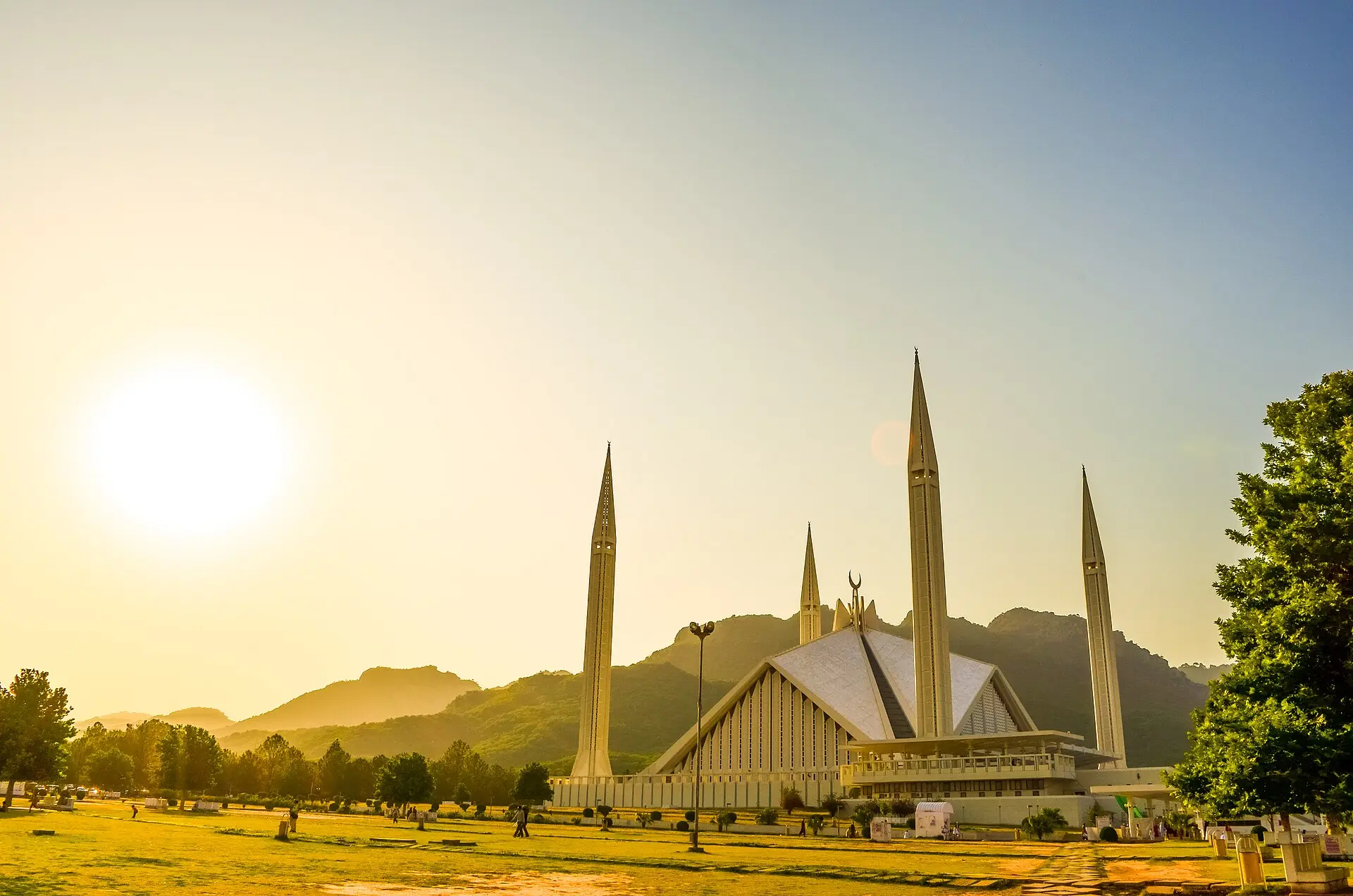 Photo: Ahmad Haq, CC BY-SA 4.0
Islamabad is often called Pakistan’s greenest and calmest city. It was planned in the 1960s, it sits at the foot of the Margalla Hills, and almost everything worth seeing is within a 20-minute drive. This list mixes the famous landmarks with the things residents actually do at weekends.
Landmarks
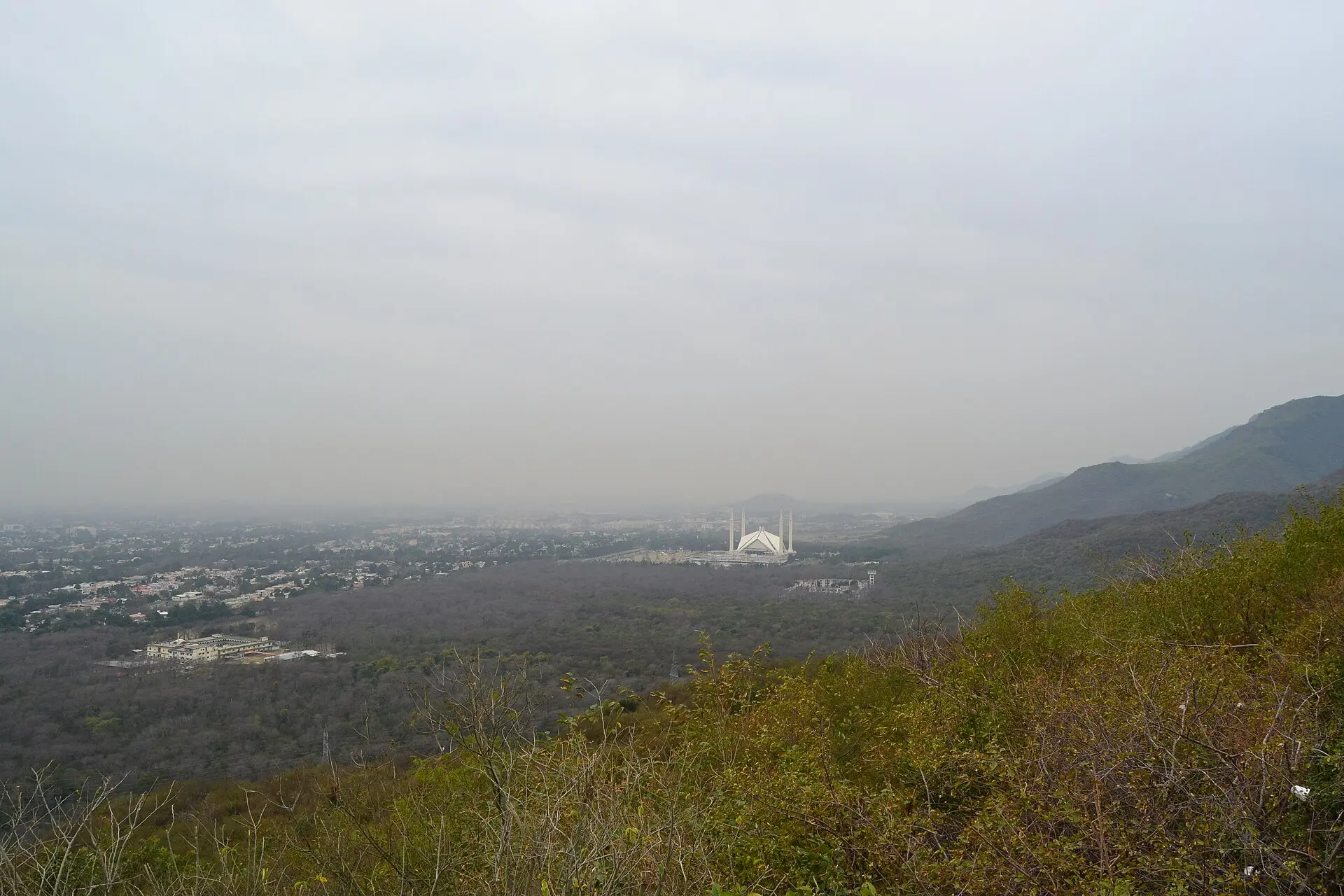
1. Faisal Mosque. The city’s symbol, and one of the largest mosques in the world. Designed by the Turkish architect Vedat Dalokay to look like a desert tent, it sits at the top of Faisal Avenue against the Margalla Hills. Visit around sunset, dress modestly, and remember it closes to tourists at prayer times. Faisal Mosque guide
2. Pakistan Monument. Four large petals, representing the provinces, and three smaller ones, representing the territories, on a hill in Shakarparian. Go at blue hour, when the granite glows and the city lights come on. The small museum next door explains how Pakistan came to be. Pakistan Monument guide
3. Lok Virsa Museum. Pakistan’s national heritage museum: embroidery, jewellery, instruments, woodwork and life-size scenes of village life from every province. It is the best rainy-day activity in the city. Lok Virsa guide
4. Constitution Avenue. Drive or walk past Parliament, the Supreme Court, the President’s House and the Prime Minister’s Office. Security is tight, so don’t stop to take photos at checkpoints.
Views and hills
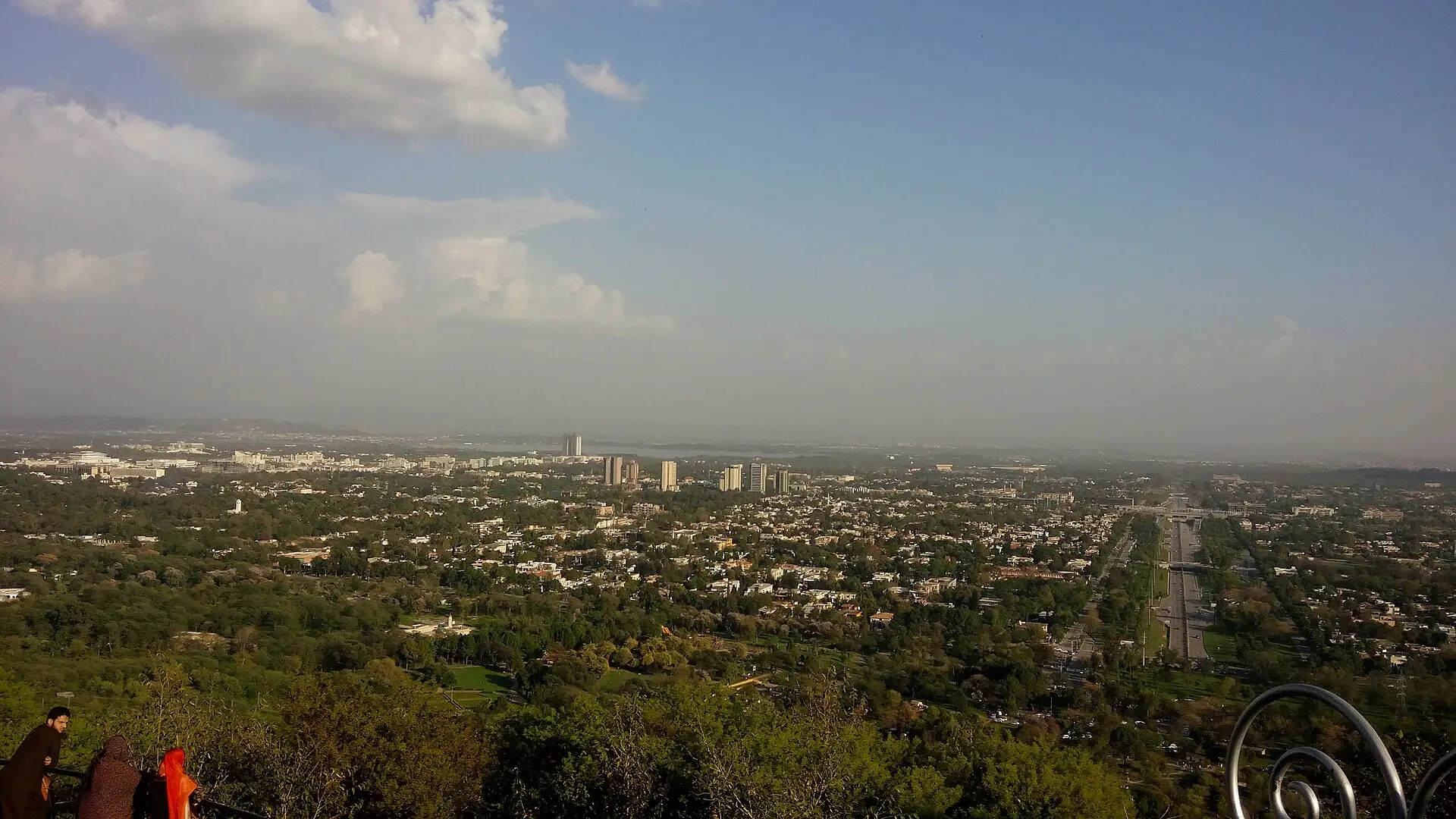
5. Daman-e-Koh. A hillside viewpoint and park about halfway up the Margallas, with a classic view down Seventh Avenue to the city. Easy to reach by car, and busy at sunset. Daman-e-Koh guide
6. Pir Sohawa. Higher up the hills, along a winding road with even wider views. It is cooler than the city in summer. Pir Sohawa guide
7. Hike Trail 3. The city’s most popular hike: a steep climb from Margalla Road to the viewpoint and on to the ridge. Start early, take water, and you will be back in time for breakfast. Trail 3 guide
8. Trail 5 for an easier walk. A shaded, gentler trail that follows a stream. It is good for a first hike or with older children. Trail 5 guide
9. Rawal Lake at sunset. The reservoir on the east of the city has lakeside viewpoints and is at its best in the last hour of daylight. Rawal Lake guide
Parks and family days
10. F-9 Park (Fatima Jinnah Park). One of the largest urban parks in Asia, with jogging tracks, lawns and a lot of room for cricket. F-9 Park guide
11. Lake View Park. A big family park on the shore of Rawal Lake with play areas, lawns and boating. Lake View Park guide
12. Shakarparian. Wooded hills in the middle of the city. Picnic lawns, viewpoints and the Pakistan Monument and Lok Virsa next door. Shakarparian guide
13. Rose & Jasmine Garden. Best in spring, when the flower displays are at their peak. Garden guide
Food and markets
14. Coffee in Kohsar Market (F-6/3). A small, leafy market of cafés and European-style restaurants. Restaurants in F-6
15. Dinner in Jinnah Super, F-7. The city’s busiest dining street, from Afghan pulao at Kabul Restaurant to late-night burgers. Restaurants in F-7
16. Pulao kebab in the Blue Area. A plate of pulao kebab at Savour Foods is a rite of passage. Savour Foods
17. Saidpur Village. A restored Mughal-era village at the foot of the hills, with craft shops and restaurants like Des Pardes. Saidpur Village guide
18. A Sunday bazaar. Islamabad’s weekly bazaars sell fresh fruit, vegetables, clothes and household goods at low prices, and they now take digital payments.
Culture and seasons
19. Lok Mela. If you are in town in late autumn, don’t miss the national folk festival at Lok Virsa. Lok Mela 2026 guide
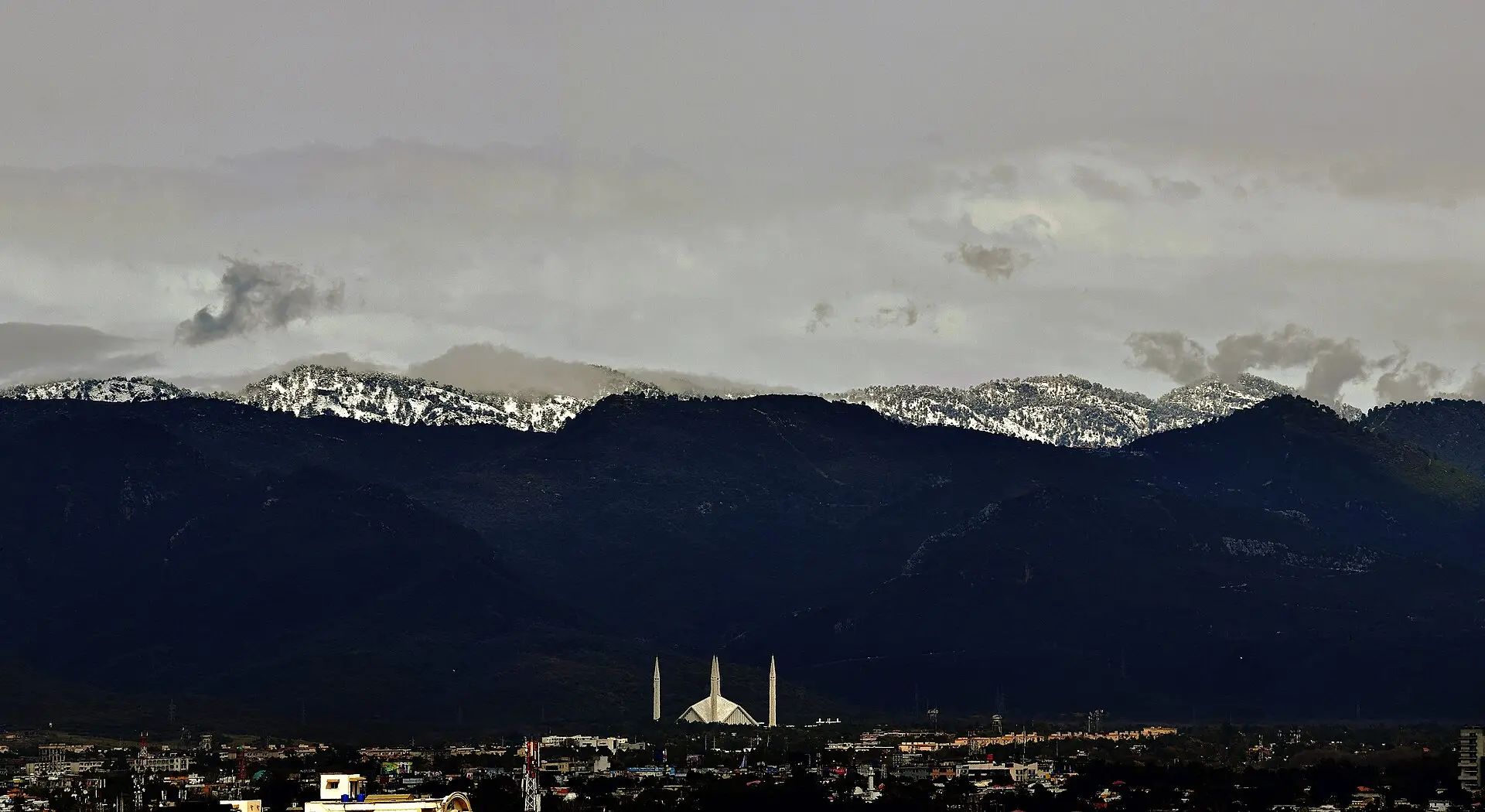
20. Snow on the Margallas. On a few cold winter days, a dusting of snow appears on the higher ridges, visible from across the city. Check the Islamabad weather page.
Planning tips
- Best time to visit: October–November and March–April, when days are warm and evenings cool. See our weather guide.
- Getting around: ride-hailing apps are the easiest option. The metro bus runs along the Jinnah Avenue–Faizabad–Rawalpindi corridor. See Transport.
- Understand the sectors and you’ll never get lost: how Islamabad’s sector system works.
- Keep the emergency numbers handy: 15 for police and 1122 for rescue.