Winter in Islamabad: weather, what to wear, things to do and how to stay warm
What Islamabad's winter is really like, from cold nights and fog to snow on the Margallas, plus winter food, day trips to Murree, and tips for gas shortages and smog.
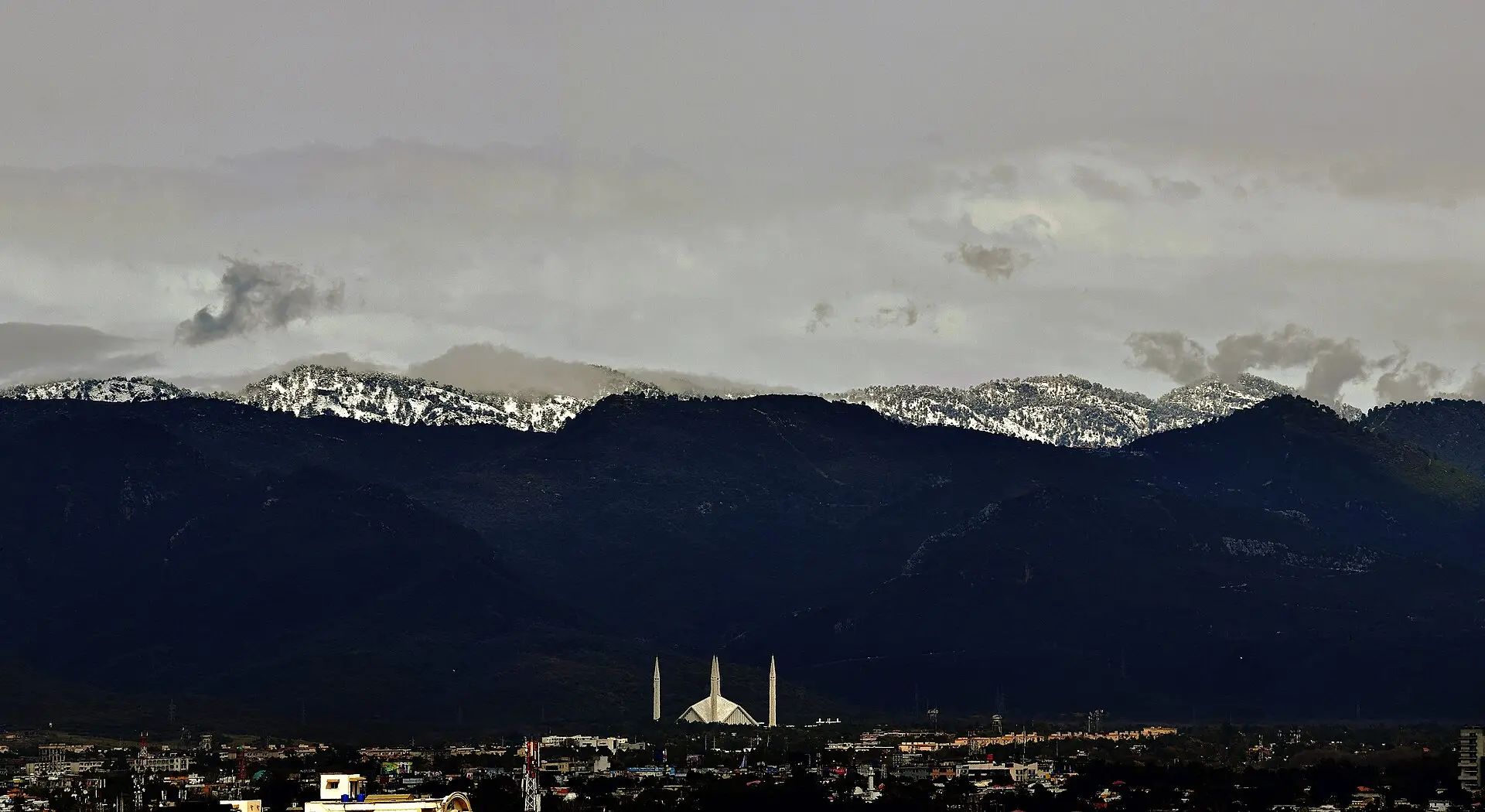 Photo: Ali Mujtaba, CC BY-SA 4.0
Islamabad’s winter is short, sunny and surprisingly cold. From December to February, days are often bright and pleasant, but nights drop close to freezing, especially in January. Houses are built for the summer heat rather than the cold, so many people feel the chill more indoors than out. Winter is also the season of fog, smog in some years, steaming bowls of soup and nihari, and weekend trips to see snow in Murree.
Here is what to expect and how to make the most of it.
What the weather is like
- Daytime: usually 15–20°C and sunny in December and January, which is perfect for being outdoors.
- Night and early morning: often 0–5°C, and occasionally below freezing on clear, still nights.
- Rain: winter rain comes with western weather systems, a few times a month, and brings sharply colder days.
- Fog: thick fog can settle over the plains and sometimes reaches Islamabad and the motorway in the early morning.
- Smog: in some years, haze and smog drift in from the plains, especially from November to January.
Check today’s conditions on our Islamabad weather page, and read the month-by-month details in our weather guide.
Does it snow in Islamabad?
Rarely in the city itself. On a few cold days in some winters, though, a light dusting of snow covers the upper Margalla Hills, and the sight of white ridges behind Faisal Mosque draws photographers from across the city. Snow does not usually last long.
For proper snow, residents head to Murree and the Galiyat (such as Nathia Gali), roughly two hours’ drive north-east, depending on traffic and road conditions.
What to wear
Layers are the secret to an Islamabad winter, because the gap between a sunny afternoon and a cold night is large.
- A warm jacket or coat for evenings and early mornings.
- Sweaters or fleeces to layer over light clothes.
- A shawl or scarf. Woollen shawls are a winter staple for men and women.
- Warm socks and closed shoes. Floors are often tiled and cold.
- A woolly hat and gloves if you will be out late or heading to the hills.
Staying warm at home
Many Islamabad homes are not insulated and rely on gas heaters, while some use electric heaters or air-conditioners with heating.
- Gas pressure drops in winter because demand is so high, and supply can be cut for parts of the day. Many households keep an electric heater as a back-up.
- Ventilate rooms with gas heaters. Never sleep in a closed room with a gas heater burning, and never use one in a room without ventilation. Carbon-monoxide poisoning from heaters causes deaths in Pakistan every winter.
- Get heaters and gas connections checked before the season starts.
- Use warm bedding, such as quilts (rajai) and blankets, to cut heating costs.
Smog and health
On smoggy days, the air can be unhealthy, especially for children, older people and anyone with asthma or heart problems.
- Check an air-quality reading before outdoor exercise.
- Exercise later in the day, when the air is usually clearer than at dawn.
- Wear a good-quality mask on very bad days.
- Keep windows closed on bad mornings.
Driving in winter
- Fog can cut visibility to a few metres, especially early in the morning. Drive slowly, use dipped headlights or fog lights, and keep your distance.
- Motorway closures: the National Highways & Motorway Police sometimes close sections of the motorway in dense fog. Check their updates before long trips.
- Murree and the hills: snow brings heavy traffic and icy roads. Go only if you are prepared, check road advisories, and never stay in a car with the engine running and the exhaust blocked by snow.
Live updates for Islamabad’s roads are on our traffic page.
Things to do in winter
Enjoy the sunshine. Winter afternoons are the best time of year for long walks in F-9 Park and picnics in Shakarparian.
Hike in the sun. Midday hiking on the Margalla trails is comfortable in winter. Read the best time to hike the Margallas.
Watch the snow from the city. On cold mornings after rain, look north for snow on the Margallas, or drive up to Pir Sohawa for a closer look when it is safe.
Visit museums. The Lok Virsa Museum is perfect for cold, grey days.
Go to a festival. Late autumn and early winter often bring cultural events, including Lok Mela.
Winter food
Winter is the season for comfort food:
- Nihari and paye for a slow weekend breakfast.
- Chicken corn soup from street carts, a winter favourite.
- Fried fish, sold at stalls across the twin cities in the cold months.
- Gajar ka halwa (carrot halwa) and dry fruit, such as walnuts, almonds and chilgoza pine nuts.
- Hot chai and kashmiri chai (pink tea), everywhere.
Find restaurants near you in our restaurant directory or read our guide to where to eat in Islamabad.
Emergency numbers
For fires, gas leaks, accidents and other emergencies, call 1122 (Rescue) or 15 (Police). For gas leaks, also contact your gas company’s emergency line. See all Islamabad helplines.